AnalyticsMarch 29, 2026
Unlocking Actionable Insights: Advanced Techniques in Data Visualization for 2024
Discover advanced data visualization techniques crucial for transforming complex analytics into clear, actionable insights in 2024. Elevate your data storytelling capabilities and drive better decision-making.
Introduction to Modern Data Visualization
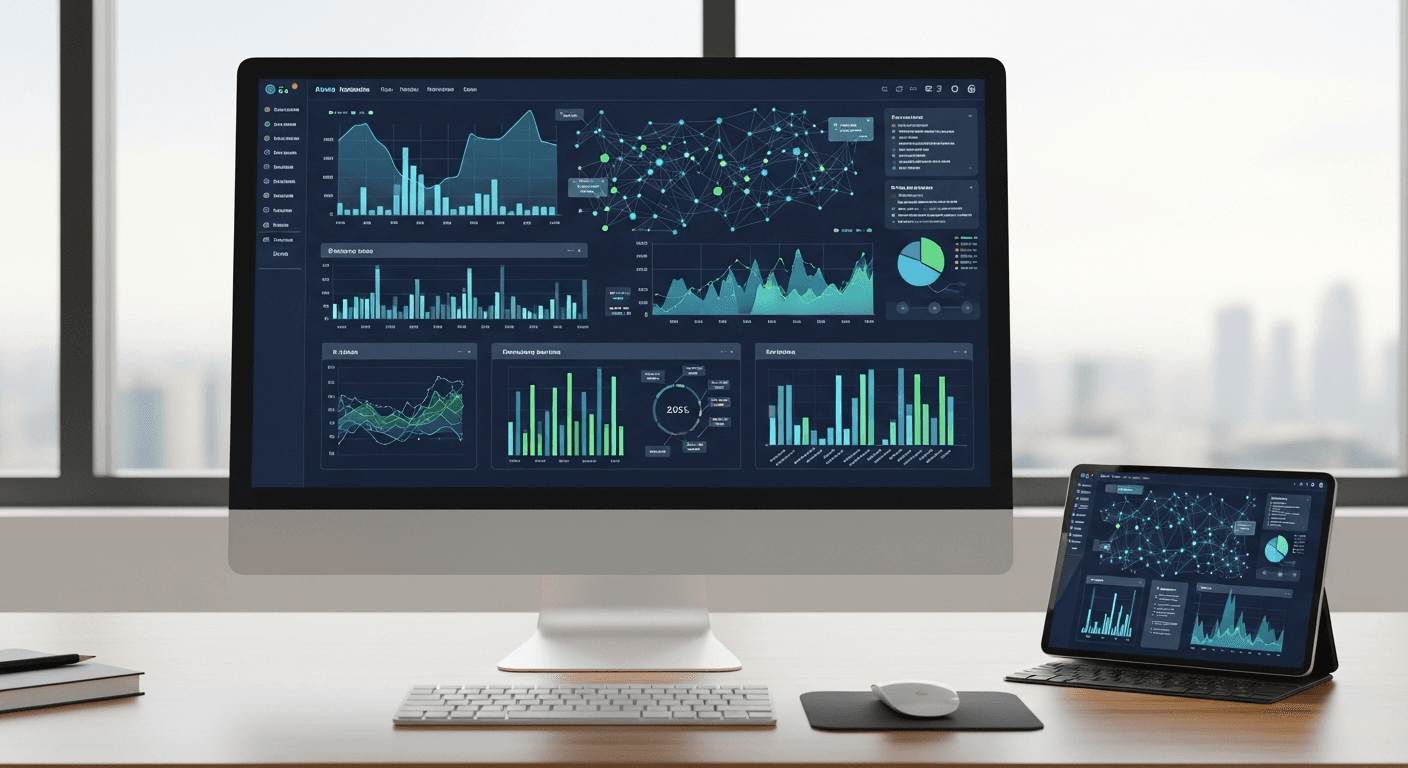
In the ever-evolving landscape of data science, data visualization remains a critical component for interpreting complex datasets. As we step into 2024, modern data visualization has transcended traditional static charts, embracing interactive designs that allow users to engage with the data on a deeper level. This transformation not only aids in understanding but also in deriving actionable insights from vast amounts of information.
Data visualization serves as a bridge between raw data and decision-making processes. With the advent of new technologies and methodologies, it has become more sophisticated and dynamic, enabling businesses and analysts to uncover patterns, trends, and anomalies that were previously hidden. As a result, it is crucial for professionals across various industries to stay updated with the latest tools and techniques in data visualization to maintain a competitive edge.
This article explores advanced techniques in data visualization for 2024, emphasizing the tools that enhance visual analytics, common challenges faced, and future trends that are set to redefine the field. By understanding and implementing these strategies, organizations can significantly improve their decision-making processes and drive more informed outcomes.

Key Tools for Data Visualization in 2024
The rapid development of data visualization tools has introduced a wide array of options for professionals seeking to transform their data into compelling visual narratives. In 2024, some of the most influential tools in this domain include Tableau, Power BI, and D3.js. Each of these platforms offers unique features that cater to different aspects of data visualization, from ease of use to advanced customization capabilities.
- Tableau: Known for its intuitive interface and powerful analytics capabilities, Tableau allows users to create interactive dashboards and generate insights quickly.
- Power BI: Microsoft's Power BI stands out with its seamless integration with other Microsoft products and its robust data modeling features.
- D3.js: A JavaScript library that provides a high degree of customization, allowing developers to create complex and interactive data visualizations.
Choosing the right tool depends on the specific needs of the organization, including the complexity of the data, the expertise of the team, and the desired outcomes. By leveraging these tools, businesses can transform their data into a strategic asset, enabling more effective communication and decision-making.

Enhancing Decision-Making with Visual Analytics
Visual analytics plays a pivotal role in enhancing decision-making by providing a clear and concise view of data. By presenting data visually, organizations can quickly identify trends, outliers, and patterns, leading to faster and more accurate decisions. In 2024, the integration of artificial intelligence (AI) and machine learning (ML) into visual analytics tools is further enhancing their capabilities.
Tip: Integrating AI-driven analytics with data visualization tools can help automate the detection of insights, making it easier for teams to focus on strategic decision-making rather than data processing.
The use of real-time data has become a crucial aspect of modern analytics. By incorporating live data feeds into visualizations, businesses can monitor changes as they happen, allowing for immediate response and adaptation. This real-time insight is invaluable in sectors like finance, logistics, and healthcare, where timely decisions are critical.
Moreover, visual analytics facilitates collaboration across teams by providing a common visual language. When data is presented visually, it becomes more accessible to non-technical stakeholders, fostering a collaborative environment where insights are shared and discussed effectively.
Overcoming Common Data Visualization Challenges
Despite the advancements in data visualization tools, several challenges persist. One of the most common issues is data quality. Poor data quality can lead to misleading visualizations, which can, in turn, result in flawed decision-making. Ensuring data accuracy and consistency is paramount to creating reliable visualizations.
- Data Quality: Regular audits and cleaning processes are essential to maintain the integrity of data.
- User Training: Providing adequate training for team members on using data visualization tools effectively can prevent misinterpretations.
- Tool Limitations: Understanding the limitations and strengths of each tool helps in choosing the right tool for the right task.
Another challenge lies in the overcomplication of visualizations. While it's tempting to incorporate as much data as possible, this can lead to cluttered and confusing visuals. The key is to focus on clarity and simplicity, ensuring that the visualization communicates the intended message without overwhelming the audience.
The ability to simplify means to eliminate the unnecessary so that the necessary may speak.
Future Trends in Data Visualization and Analytics
As we look towards the future, several trends are poised to shape the data visualization and analytics landscape. One significant trend is the rise of augmented analytics, which leverages AI and ML to enhance data preparation, insight generation, and data sharing. This trend is expected to democratize data analytics, making it more accessible to non-experts.
Another emerging trend is the emphasis on storytelling in data visualization. As organizations strive to communicate insights more effectively, the ability to weave data into a compelling narrative will become increasingly important. This involves not only showcasing the data but also providing the context and implications of the findings.
Note: Embracing these trends requires a shift in mindset towards continuous learning and adaptation. Staying updated with the latest developments in data visualization is crucial for leveraging these emerging opportunities.
Moreover, the integration of immersive technologies such as virtual and augmented reality is set to redefine how data is experienced. These technologies offer new ways to interact with data, providing users with a more engaging and intuitive experience. As these technologies become more mainstream, they will undoubtedly play a critical role in the future of data visualization.